



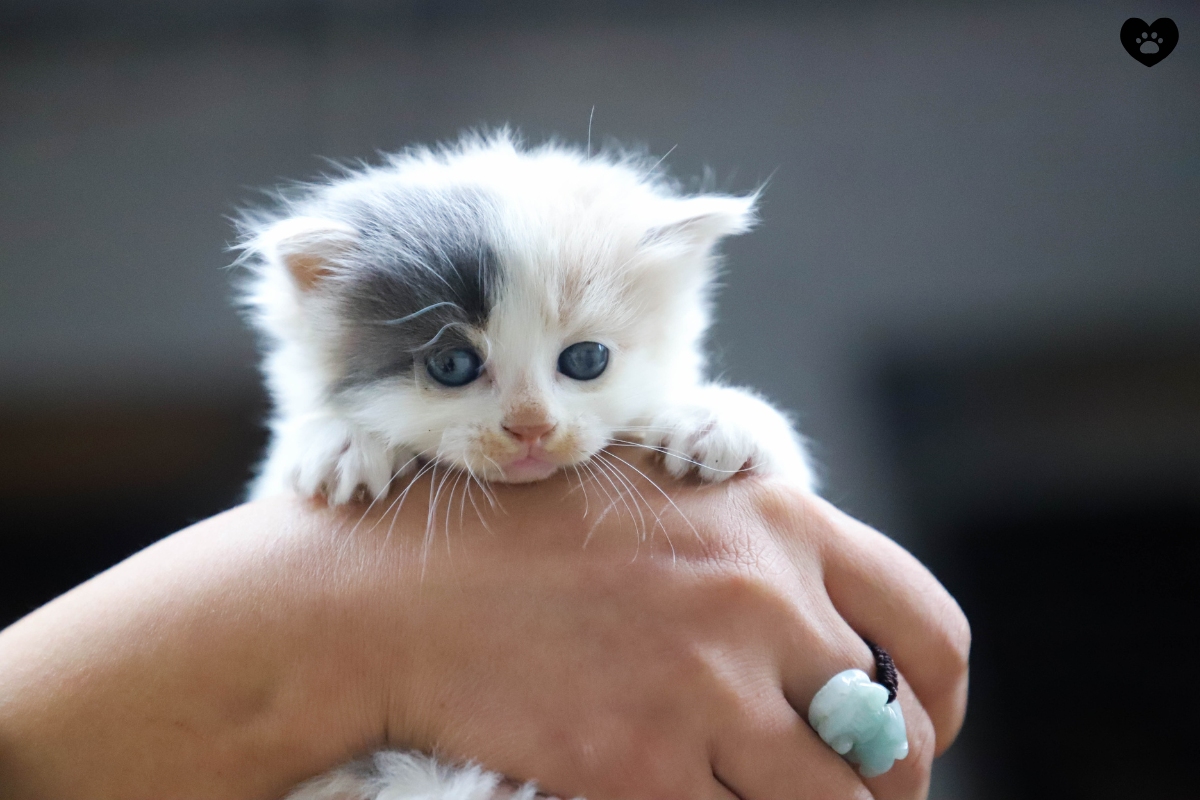
Bringing home a new kitten is one of the most exciting experiences for any cat lover. Kittens are full of curiosity, energy, and a natural instinct to explore, climb, chew, and investigate everything around them. While this playful behaviour is adorable, it also means that your home needs to be safe and ready for a tiny, adventurous explorer.
Kitten-proofing your home is essential for preventing accidents, protecting your belongings, and creating a secure environment where your kitten can grow, learn, and thrive. This detailed guide walks you through every room of your home, helping you remove hazards, introduce safe alternatives, and build a space your kitten will love.
Why Kitten-Proofing Matters
Kittens don’t yet understand danger — they learn through experience, play, and exploration. Without proper preparation, common household items can become risks. By kitten-proofing early, you can prevent injuries, reduce stress, and save yourself from unwanted vet visits.
Kitten-proofing also helps you:
- Protect furniture and belongings
- Reduce destruction and unwanted behaviours
- Support healthy play and development
- Build trust and safety from day one
A well-prepared home gives you peace of mind, knowing your kitten can explore safely even when you’re not watching closely.
General Kitten-Proofing Tips for Your Entire Home
Before diving into specific rooms, there are general safety steps every kitten owner should take.
Secure Cords, Wires, and Electronics
Kittens love to chew and bat at cables. To protect your kitten and your devices:
- Use cord protectors for exposed wires
- Bundle cables behind furniture or inside cable sleeves
- Avoid leaving charging cables plugged in and dangling
- Unplug appliances when not in use
Remove Toxic Plants
Many common houseplants are toxic to cats — especially lilies, which are extremely dangerous. Other toxic plants include philodendrons, pothos, dieffenbachia, aloe, and sago palm.
If you’re unsure whether a plant is safe, look it up or consult your vet.
Keep Small Objects Out of Reach
Kittens explore with their mouths and can easily swallow small items. Store away:
- Coins, batteries, screws, and nails
- Jewelry and hair accessories
- Earbuds and small electronics
- Rubber bands and hair ties
Secure Windows and Balconies
Even if you plan to keep your kitten indoors, check that all windows have sturdy screens. Curious kittens may try to squeeze through gaps or push open loose screens.
Hide Chemicals and Cleaners
Lock away cleaning products, detergents, paint, antifreeze, and pest control substances. Many common household chemicals can cause poisoning if your kitten ingests or inhales them.
Provide Safe Scratching Options
Kittens need to scratch to strengthen their claws and stretch. Provide scratching posts early to prevent damage to furniture.
Kitten-Proofing the Living Room
Your living room is often where kittens spend most of their time, so make it safe and kitten-friendly.
Check Furniture for Gaps
Kittens can squeeze into incredibly small spaces. Block off gaps behind sofas, beneath recliners, and between cabinets where they could get stuck.
Cover or Protect Soft Furnishings
Kittens may knead, chew, or scratch fabrics. Use washable covers or throw blankets during the early months to minimise wear and tear.
Keep Fragile Items Out of Reach
Remove breakable items from low shelves or tables. Kittens aren’t aware of fragile objects when they’re zooming through the room.
Kitten-Proofing the Kitchen
The kitchen is full of tempting smells and potential hazards. Extra vigilance is needed in this room.
Secure Food Storage
Store all human food in closed containers or cabinets. Kittens may chew through bags or knock over open containers. Some foods — such as chocolate, onions, garlic, grapes, and alcohol — are extremely toxic to cats.
Keep Countertops Clear
Kittens are natural jumpers. Remove knives, hot pans, cleaning sprays, and any sharp or dangerous objects from counters. Avoid placing food scraps or temptations within reach.
Use Child Locks Where Needed
Consider using child-proof locks on cabinets storing chemicals, garbage bins, or cleaning supplies.
Never Leave the Oven or Stove Unattended
Kittens may jump near stovetops out of curiosity. Keep lids on pots, use back burners when possible, and turn off stovetops immediately after use.
Kitten-Proofing the Bathroom
Bathrooms contain many small, hazardous items that kittens may find irresistible.
Keep the Toilet Lid Down
Kittens can fall into open toilets, especially when still very small. Always keep lids closed.
Store Toiletries Safely
Put away razors, medicine bottles, cotton swabs, dental floss, and cosmetics. Dental floss and hair ties are especially dangerous if swallowed.
Secure Cleaning Products
Bathroom cleaners, bleach, and toilet tablets are toxic to pets. Store them high up or in locked cabinets.
Keep Towels and Curtains Off the Floor
Kittens may climb or chew on hanging fabrics. Choose shorter curtains or ensure they don’t drape onto the ground.
Kitten-Proofing Bedrooms
Bedrooms often contain small objects and tempting hiding places.
Keep Nightstands Tidy
Remove or secure:
- Jewelry
- Medications
- Chargers
- Small keepsakes
Check Under Beds
Block access to tight spaces under beds if your kitten gets stuck easily or leaves toys behind that become hard to retrieve.
Manage Laundry Safely
Kittens may burrow into laundry baskets, so keep dirty clothes off the floor and check washers and dryers before use.
Kitten-Proofing Laundry Rooms and Utility Areas
Laundry rooms often contain dangerous chemicals and heavy machinery.
Keep Appliances Closed
Always check washing machines and dryers before loading — kittens may climb inside for warmth or curiosity.
Secure Detergents and Supplies
Store detergents, bleach, and cleaning solutions securely. Avoid leaving lint traps or small objects on top of machines.
Creating Safe Play Areas for Your Kitten
In addition to removing hazards, it’s important to set up designated areas where your kitten can play freely.
Add Scratching Posts and Pads
Place scratching posts in the rooms your kitten uses most. This helps them learn where scratching is appropriate.
Provide Climbing Options
A cat tree or shelves gives your kitten healthy outlets for climbing and jumping.
Offer Safe Toys
Choose toys without small parts that can break off. Great options include:
- Feather wands
- Crinkle balls
- Soft plush toys
- Tunnels
- Kick toys
Designing a Safe Space for When You’re Not Home
Your kitten should have a secure area to stay when you’re away. A small room or large playpen can help protect your belongings and keep your kitten safe.
What to Include in a Safe Room
- Litter box
- Food and water
- Comfortable bedding
- Interactive toys
- A scratching post
This helps your kitten feel secure while preventing mischief in your absence.
Preparing Your Home Before Your Kitten Arrives
Kitten-proofing is easiest when done before your kitten comes home. Do a full sweep of your home to remove hazards, set up a designated play area, and gather essential supplies.
Kitten Essentials Checklist
- Food and water bowls
- Kitten food (wet and/or dry)
- Litter box and litter
- Cat bed
- Scratching posts
- Interactive toys
- Brush and nail clippers
- Carrier
- Treats
Having everything ready ensures your kitten settles in quickly and safely.
Final Thoughts
Kitten-proofing your home is an essential part of responsible cat ownership. By removing hazards, protecting valuables, and offering safe alternatives, you create a healthy environment that supports your kitten’s growth and exploration. The time you spend preparing now will pay off in fewer accidents, less stress, and a happier household.
With careful planning and a little patience, your home will become a safe playground where your kitten can learn, grow, and develop into a confident and joyful adult cat.